
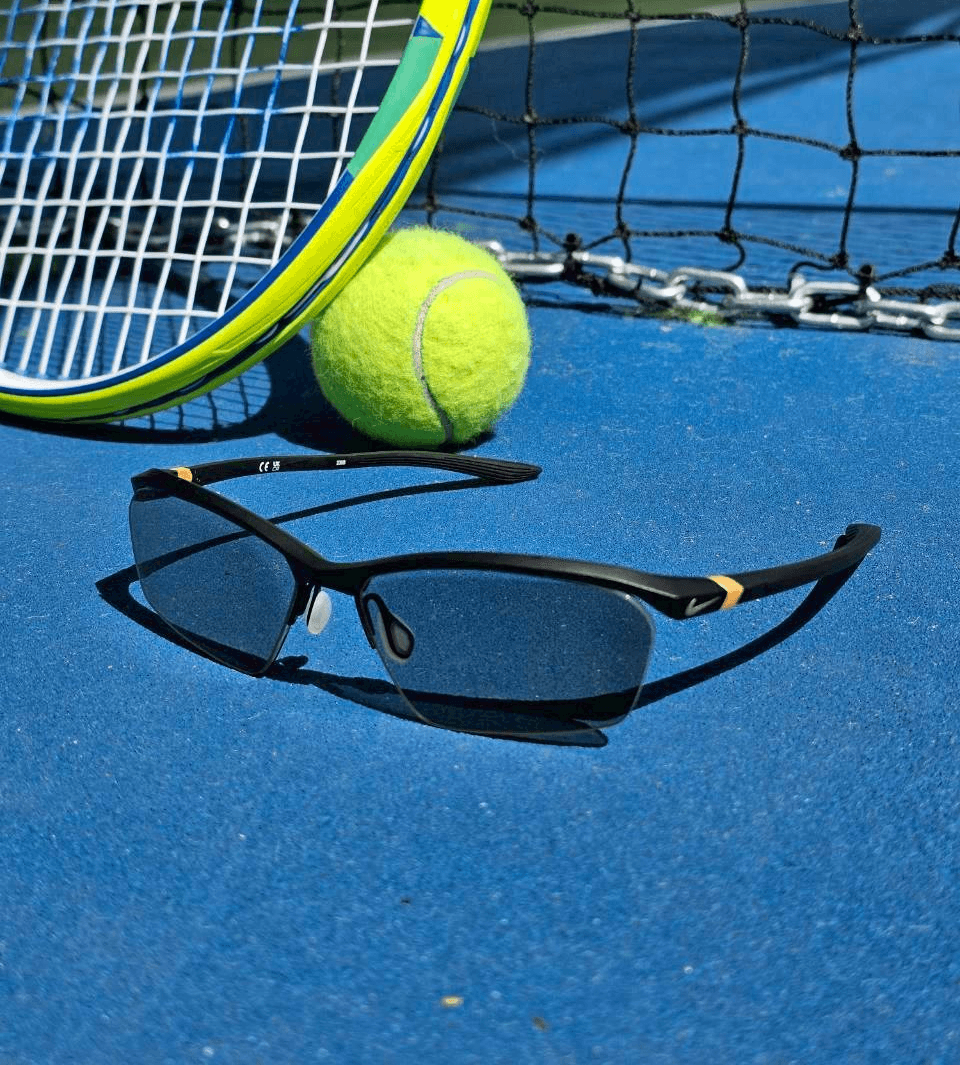
He spends most of his day on the court.
Morning sun.
Afternoon glare.
Evening sessions under lights.
A tennis coach who has never worn glasses in his life—
and never really felt the need to.
Until recently.
“At night, the court feels a bit dimmer than before…
it’s slightly harder to see the ball.”
Not a big problem.
Just… different.
When “Good Enough” Starts to Shift
His vision, on paper, was still quite good.
But when we looked a little closer:
Mild myopia and astigmatism
Vision could be sharpened from 20/30 to 20/20
Nothing alarming.
The kind of result many people live with comfortably.
But on a tennis court—
where timing, contrast, and clarity matter—
even a small difference can quietly show up.
The Unexpected Part
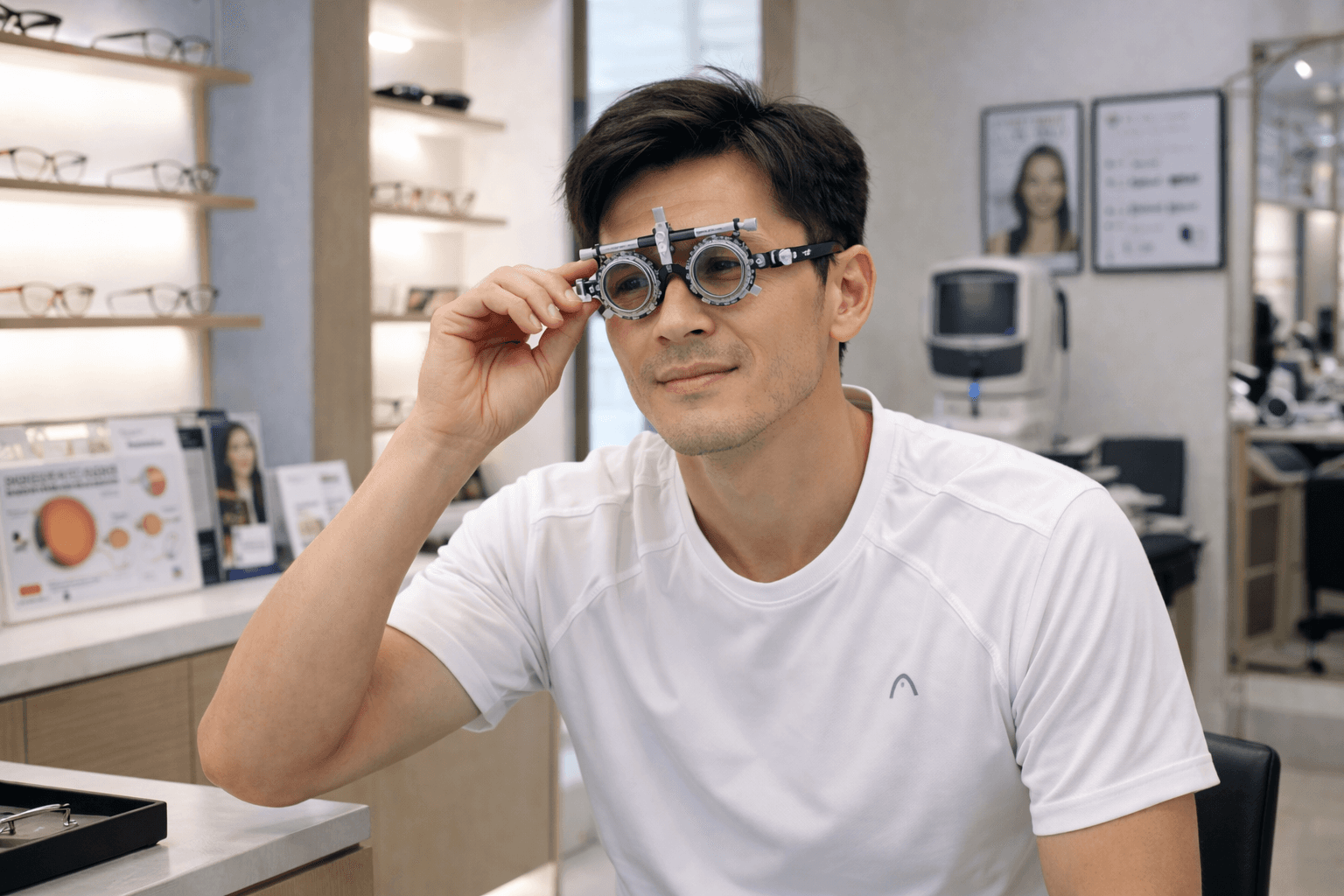
When we tried his full prescription,
he paused.
“It feels a bit too much.”
The clarity was there.
But it didn’t feel natural.
And that’s something we see quite often—
especially for someone wearing glasses for the very first time.
Your eyes aren’t just adjusting to a lens.
They’re adjusting to a new way of seeing.
Finding What Feels Right
So instead of aiming for “perfect” on the chart,
we stepped back.
We softened the prescription:
Reduced the minus power
Kept part of the astigmatism correction
Focused on something he could comfortably wear all day
Because clarity only helps if it feels natural.
Vision That Moves With His Day
Then came the question he first walked in with—
sunglasses.
But for him, it wasn’t just about blocking sunlight.
It was about moving through different lighting conditions, all day long.
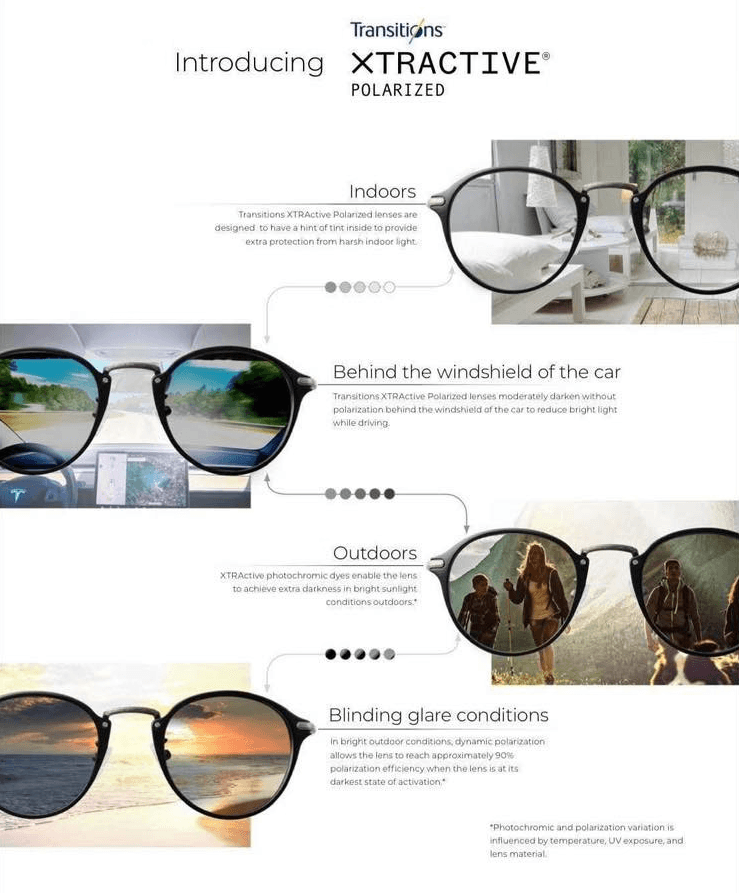
So we chose something simple:
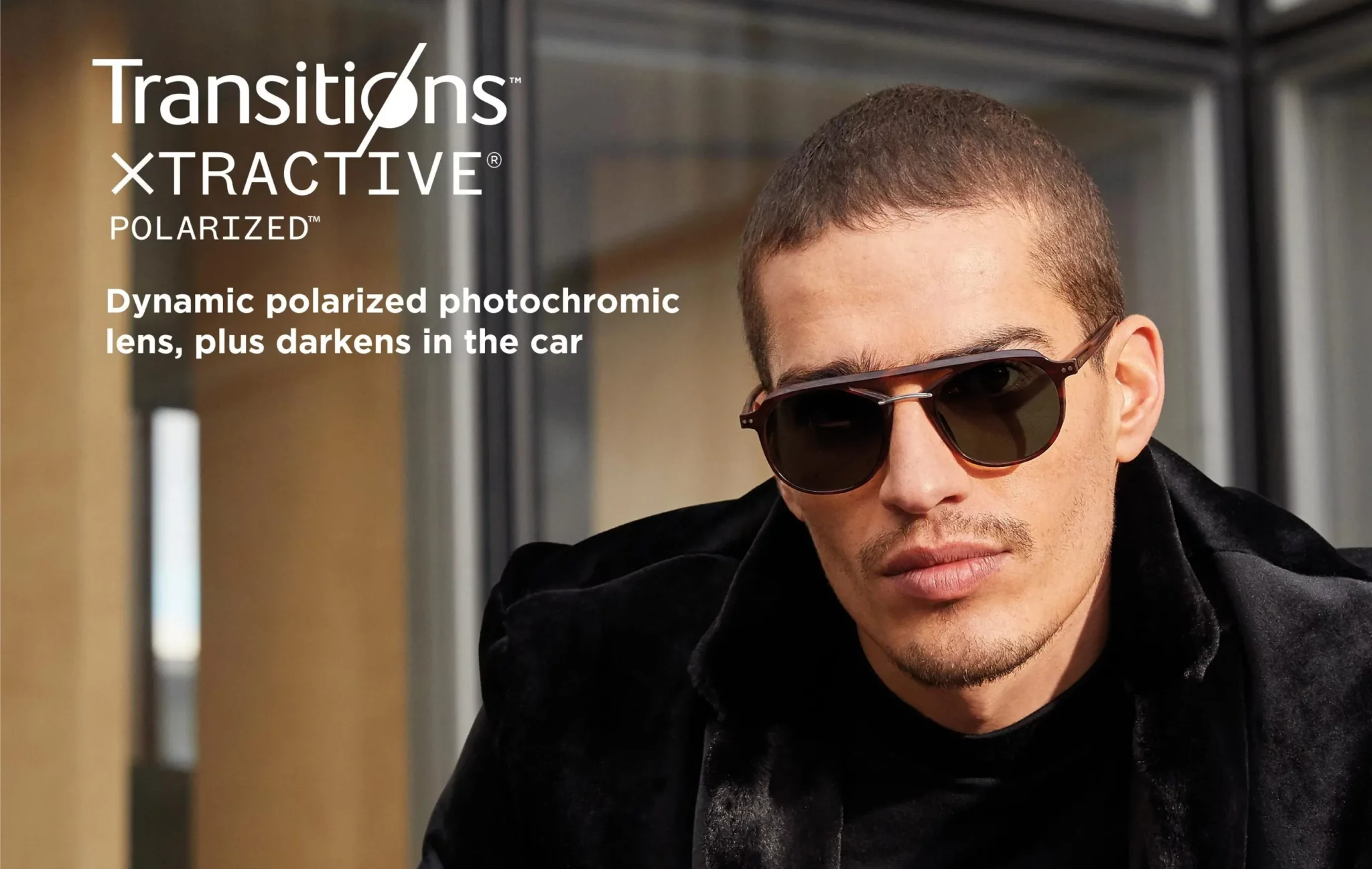
A pair of lenses that could adjust with him.
Softer brightness under strong sun
Reduced glare on court
Still usable into the evening
No switching.
No overthinking.
Just putting them on… and getting back to the game.
And for Now, That’s Enough
We also spoke about near vision.
There are early signs that he may need support one day—
but right now, he reads comfortably.
So we leave it there.
Something to revisit, not rush.

A Small Shift You Can Feel
This wasn’t about a major vision problem.
It was about a small change—
noticed in real moments.
The sun, a little too bright in the morning.
The court, a little dimmer at night.
The ball, just a fraction harder to track.
And sometimes, that’s where the story begins.